
Written by Gloria Ngatha
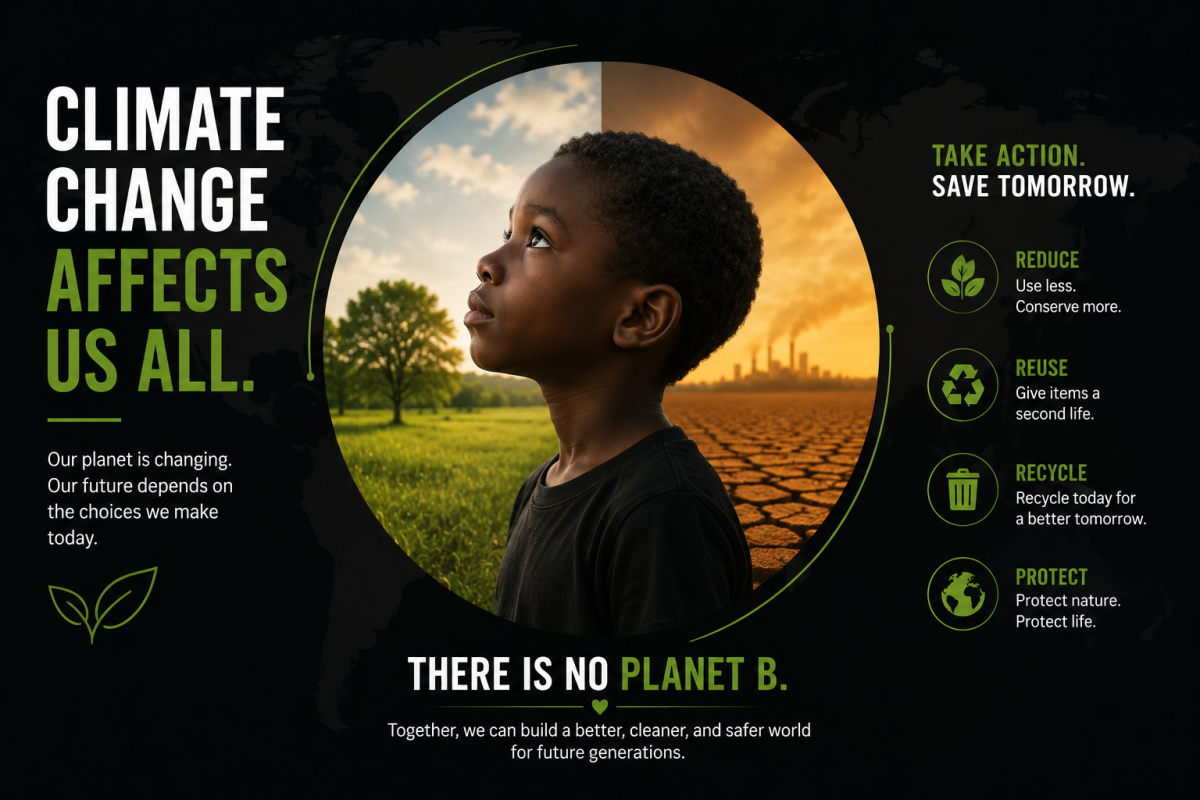
A new report from the United Nations Children’s Fund, known as UNICEF, has revealed that nearly half of the world’s children are facing multiple climate dangers at the same time. Experts say these challenges could affect children’s health, education, and daily lives around the world. UNICEF
According to the report, around 1.1 billion children are exposed to at least three climate hazards, such as droughts, heatwaves, floods, storms, and wildfires. Almost every child on Earth now experiences at least one climate-related threat.
Children living in parts of Africa, Asia, and other vulnerable regions are among those most affected. In Eastern and Southern Africa, more than 65 million children face three or more overlapping climate hazards. These extreme weather events can damage schools, reduce access to clean water, and make it harder for families to stay healthy and safe.
The report also highlights the growing danger of extreme heat. Nearly two out of every three children worldwide are exposed to heatwaves that are becoming longer, hotter, and more frequent. Scientists warn that rising global temperatures are increasing the risk of dehydration, illness, and disruptions to learning. UNICEF DATA
The impact of extreme heat is already being seen in Europe. Several countries have experienced unusually high temperatures this week, causing some schools to close early or change their schedules to protect students. Authorities have advised children to stay hydrated, wear light clothing, and avoid spending too much time outdoors during the hottest parts of the day. The Times of India
Climate experts say governments can help by investing in stronger schools, better healthcare, reliable water supplies, and early warning systems that prepare communities for dangerous weather. They also stress the importance of reducing pollution and greenhouse gas emissions to slow climate change.
Children are among the most vulnerable people during climate disasters because they depend on safe homes, clean water, healthcare, and education. When floods, droughts, or heatwaves occur, children often face the biggest challenges. The new report serves as a reminder that protecting the environment is also about protecting the future of children everywhere.