
Written by Gloria Ngatha
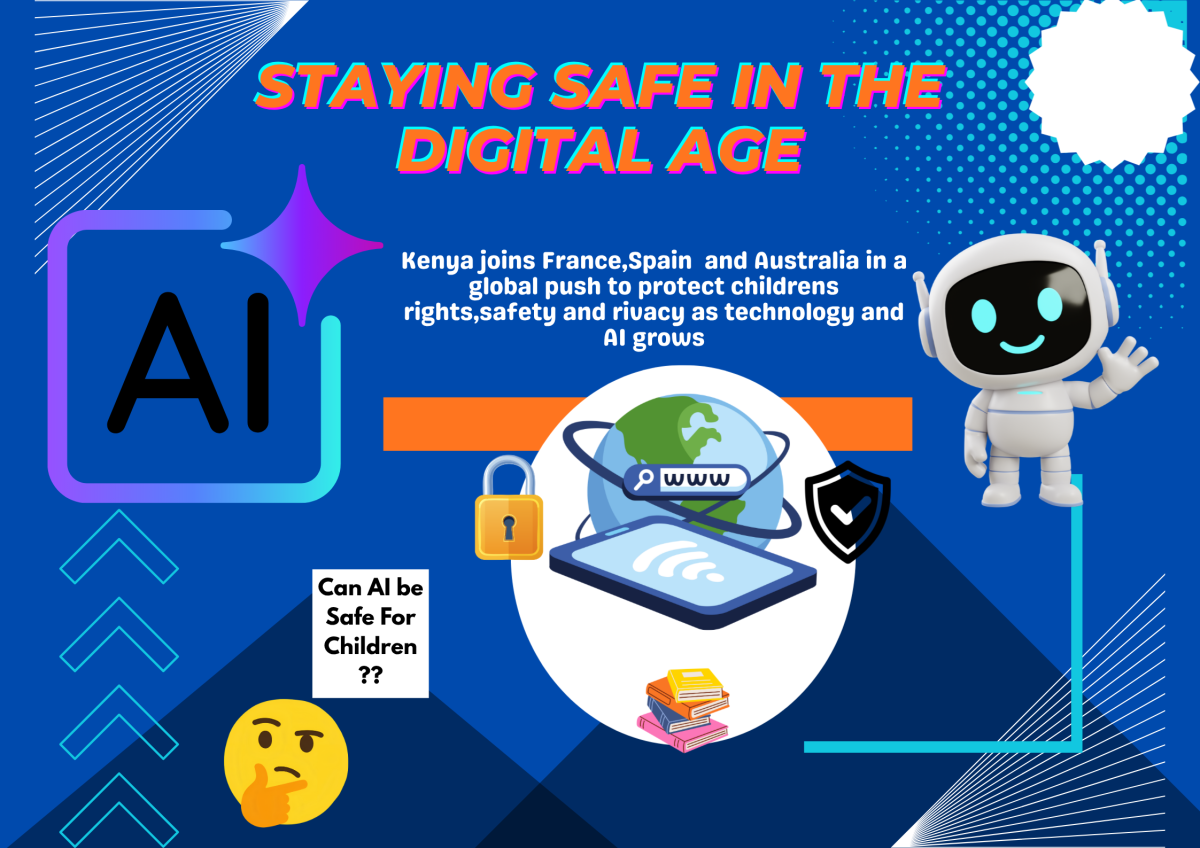
On 22 September 2026, leaders from France, Spain, Kenya and Australia co-chaired a high-level meeting on the sidelines of the 81st session of the United Nations General Assembly in New York. The meeting focused on protecting children’s rights and safety as AI and other digital technologies continue to develop.
The meeting brought together governments, United Nations agencies, technology companies, civil society organisations, educators and experts on children’s rights and safety.
The leaders are working through the Coalition for Children’s Rights and Protection in the Age of Artificial Intelligence. The coalition was first launched in July 2026 by France, Spain and Kenya during a United Nations dialogue on AI governance. Australia later joined the group. It now includes 23 countries and eight UN entities, including UNICEF, UNESCO and the International Telecommunication Union.
The group will work on issues including privacy, safety, accountability, AI literacy and harmful AI-generated content involving children. It also plans to develop a network of research centres where experts can study the effects of AI on children.
To combat this, the coalition has created a 2026–2027 roadmap for protecting children in the AI age.
One of its goals is to encourage AI developers and companies to make safety and privacy part of the design of their systems. The coalition also wants more research into how AI affects children while also considering whether AI systems designed for children should undergo testing and assessment before being made available to them.
Kenya is one of the four countries leading the coalition.President William Ruto said children in Africa can benefit greatly from technology because access to technology can also mean access to education, information, healthcare and opportunities.
He said the goal should be to expand children’s access to technology while making it safer for them.This is especially important because children in different parts of the world do not have the same access to devices, internet connections or digital education. UNICEF has highlighted the need to close these digital gaps so that children in poorer and rural communities are not left behind.
AI is already being used by children for learning, finding information and creativity. UNICEF estimates that at least 20 million children in 10 countries have used AI. About 13 million children use AI to support learning and homework, while more than 2 million children have said they use AI for advice about things that worry them.
AI can also bring benefits to children. It can help with education, healthcare and accessibility, including helping children with disabilities access information and learning opportunities.
UNICEF has developed guidance calling for AI systems to respect children’s rights. It recommends protecting children’s safety and privacy, preventing discrimination, making AI systems understandable and accountable, and ensuring that AI supports children’s development and wellbeing
The new coalition hopes that countries and technology companies can work together so that children can enjoy the benefits of AI without being exposed to unnecessary risks.
For children, this could mean a future where AI remains a useful tool for learning, creativity, healthcare and communication, while their safety, privacy and rights are protected.
The coalition plans to continue its work through 2027, with its first voluntary commitments expected to be presented at the Paris Peace Forum in November 2026.