
Written by Alice Njoki
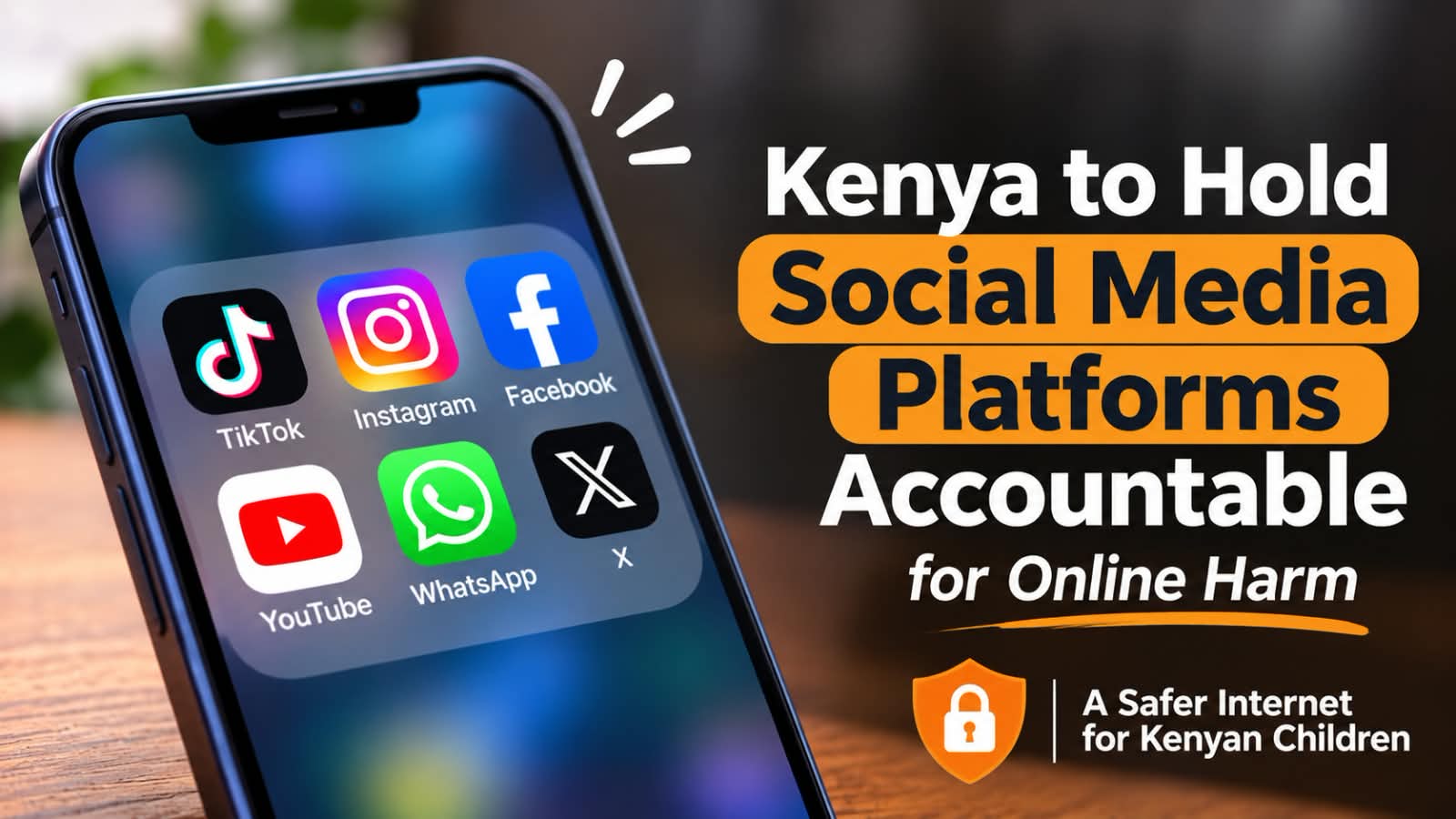
Social media platforms could face new requirements in Kenya, including registering with the country’s communications regulator and reporting unlawful activities taking place on their services, under a proposed amendment to the Kenya Information and Communications Act.
The Kenya Information and Communications (Amendment) Bill, 2026, seeks to introduce new responsibilities for digital platforms serving users in Kenya, including international companies such as Meta, TikTok and X.
Under the proposed changes, platforms would be required to register their details and services with the Communications Authority of Kenya (CA). They would also have to report unlawful activities on their platforms, including sexual exploitation, cyberbullying and impersonation, and explain the action taken in response.
The proposal further requires platforms to publish their terms and policies, take steps to make their services safe and provide channels through which users can report problems and seek redress.
For children, the proposed changes come at a time when social media is part of everyday life. Many use these platforms to connect with friends, follow their interests, learn and share their talents. But these spaces can also expose them to cyberbullying, harassment, exploitation and other harmful experiences.When something goes wrong, knowing where to report it is not always enough. Children need to understand how reporting systems work, feel safe using them and trust that someone will take their concerns seriously.
This is one of the issues raised by the proposed amendment. While platforms would be expected to provide ways for users to complain, the question remains whether these systems will be accessible to everyone, particularly children.
The proposal has also attracted attention over concerns about privacy, freedom of expression and the responsibilities of different regulators. Since platforms handle personal information and make decisions about what content stays online, the new requirements will need to balance accountability with the rights of users.
The amendment is separate from Kenya’s proposed Online Safety Bill, 2026, which also seeks to address online harm through different regulatory measures. Both proposals form part of wider discussions about how digital spaces should be made safer for people using them.
The conversation is not limited to Kenya. Governments in different parts of the world are considering how to respond to online risks facing children, with some looking at age restrictions while others are focusing on the responsibilities of technology companies.
In Kenya, the Ministry of Information, Communications and the Digital Economy has invited members of the public and stakeholders to submit their views on the proposed amendment. Written submissions are due by 17 November 2026.
As the discussions continue, children’s experiences should be part of the conversation. They are among the people who use these platforms every day and are directly affected by decisions about how online spaces are managed.
At Mtoto News, this is a conversation we intend to carry forward through the Children’s Palaver at the Internet Governance Forum (IGF) 2026 in Nairobi, creating space to consider how children can be heard in decisions about their digital experiences.
Ultimately, making the internet safer is not just about having rules in place. It is also about ensuring that children know where to turn when they experience harm and can trust that their voices will be heard.