
Written by Alice Njoki
Every year on June 16, African countries mark the Day of the African Child. The day honours the courage of thousands of South African schoolchildren who stood up for their right to quality education during the Soweto Uprising in 1976.
At the time, South Africa was under apartheid, a system that separated people according to race and treated Black people unfairly. Black children attended poorly funded schools and received a lower quality of education than white children. The government also introduced a rule that required some subjects to be taught in Afrikaans, a language many Black students did not understand.
On June 16, 1976, thousands of students in Soweto, a township near Johannesburg, took part in a peaceful march to protest against the education system. They wanted better schools, fair treatment, and the freedom to learn in languages they understood.
The protest turned tragic when police confronted the students and opened fire. Many children were injured, and many others lost their lives. One of the children who became a symbol of the uprising was Hector Pieterson, a 12-year-old boy who was shot during the protest. A photograph showing him being carried after he was wounded was seen around the world and became a powerful symbol of the fight for justice and equal rights.
In 1991, the Organization of African Unity (OAU), now known as the African Union (AU), officially declared June 16 as the Day of the African Child. The day was created to honour the children who took part in the Soweto Uprising and to remind governments of their responsibility to protect and support children.
Today, the Day of the African Child is observed across Africa through school activities, community events, discussions, and campaigns that focus on children’s rights and well-being. It is a chance to celebrate children while also raising awareness about the challenges many of them still face.
Although progress has been made, millions of children across Africa continue to struggle with issues such as lack of access to quality education, poverty, child labour, violence, poor healthcare, and limited access to clean water and sanitation. These challenges prevent many children from reaching their full potential.
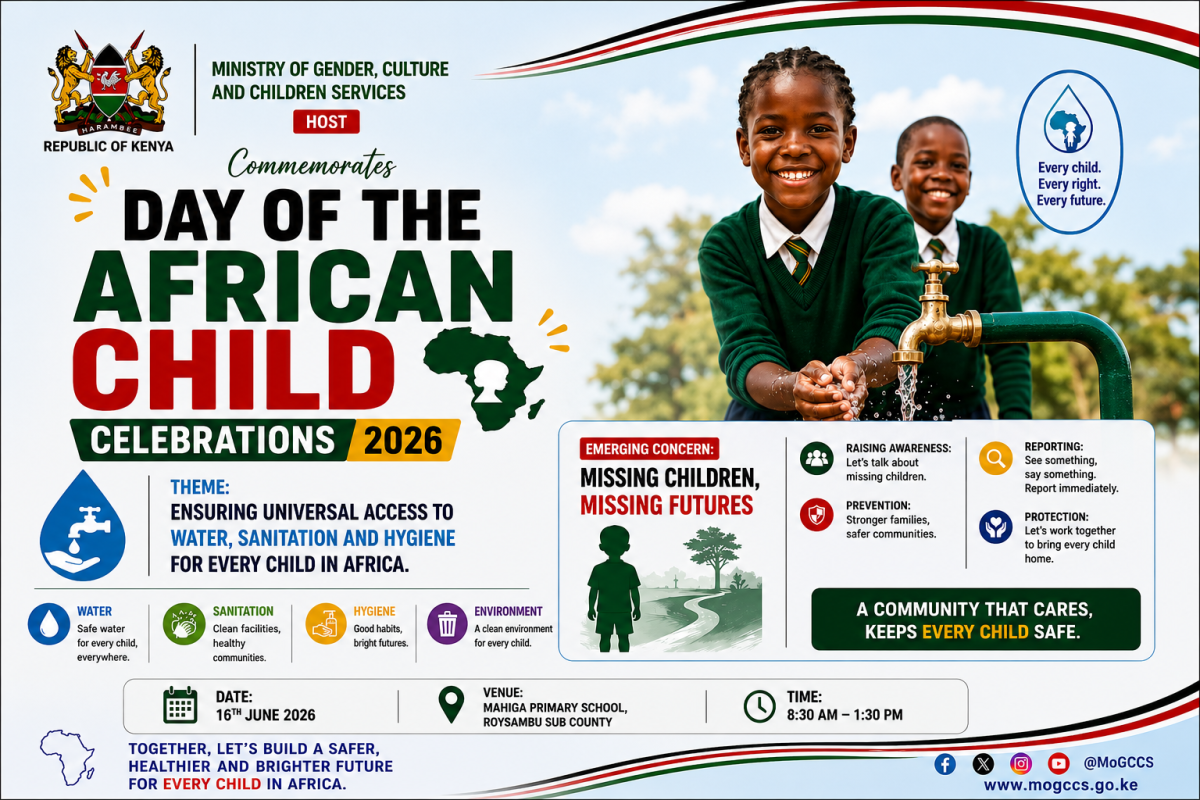
This year’s theme focuses on ensuring that every child in Africa has access to clean water, proper sanitation, and good hygiene. Clean water is important for good health, learning, and development. Without it, children are at risk of diseases that can affect their education and future.
The Day of the African Child reminds us that children have rights, dreams, and opinions that matter. It also reminds leaders, parents, teachers, and communities that every child deserves to be safe, healthy, educated, and given the opportunity to succeed.
As Africa marks another Day of the African Child, the bravery of the Soweto students continues to inspire people across the continent. Their story reminds us that children can be powerful voices for change and that investing in their future is investing in Africa’s future.